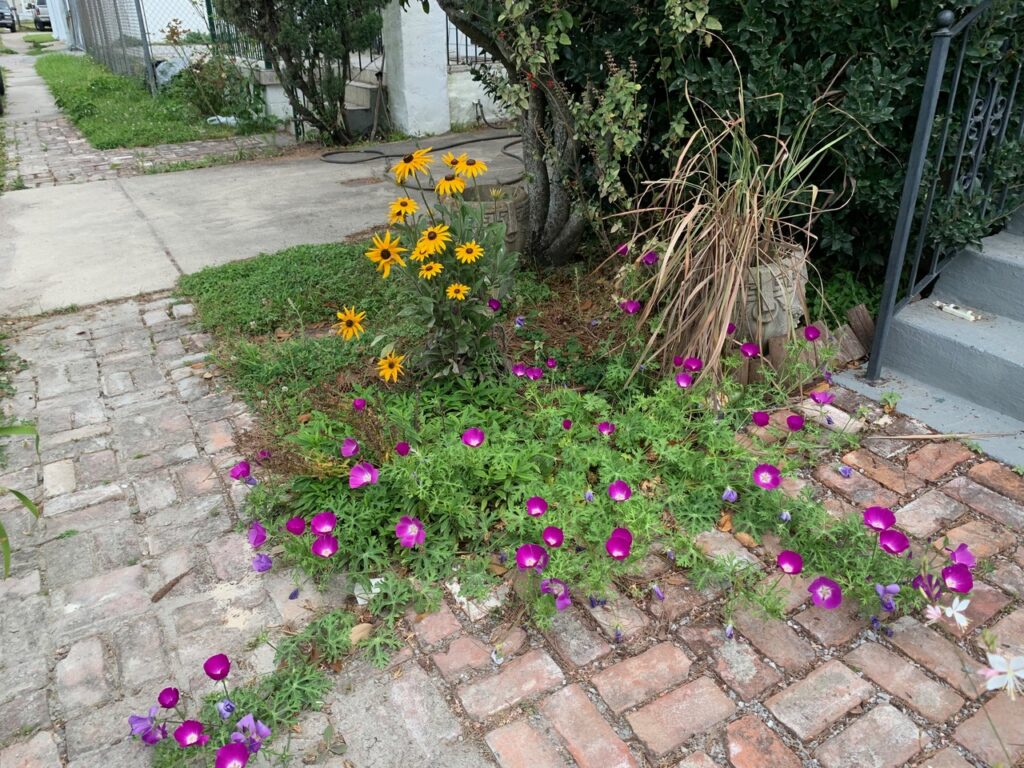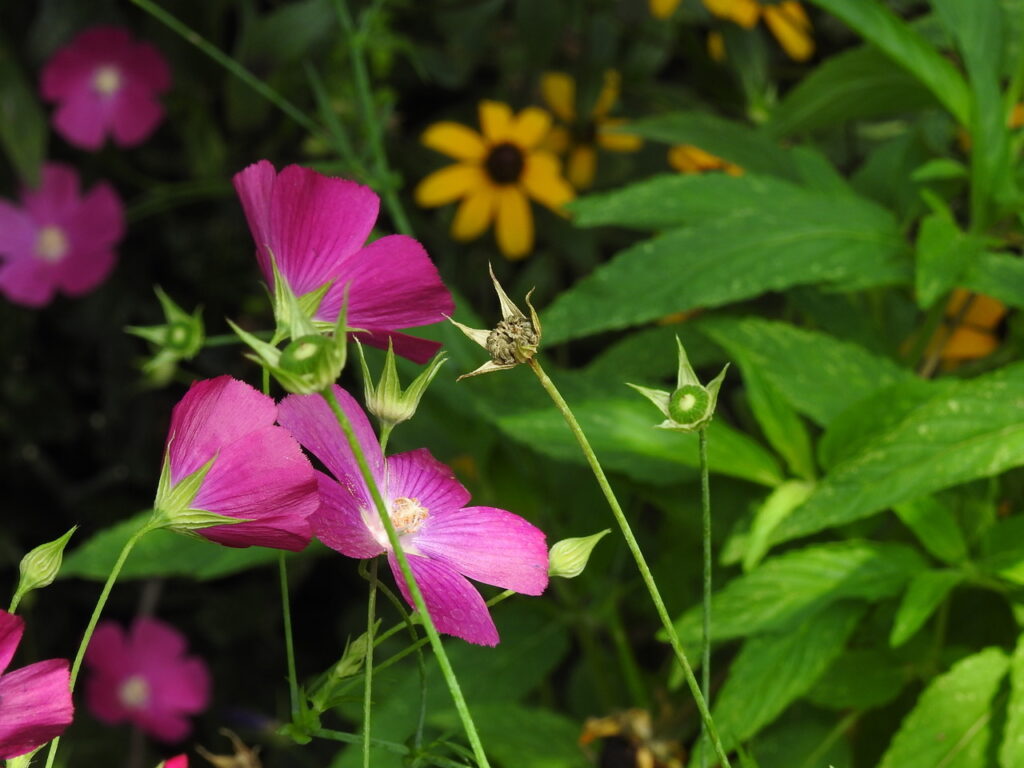
Winecups (Callirhoe species) offer the perfect blend of beauty and resilience for native plant enthusiasts. This prairie perennial delights with its vibrant magenta blooms while requiring minimal care once established. Drought-tolerant and beloved by pollinators, Winecups create a stunning ground cover that works beautifully in rock gardens, along borders, or cascading over walls—bringing both ecological benefits and visual appeal to any landscape.
What are Winecups?
Winecups (Callirhoe species), also known as purple poppy mallow or buffalo rose, are native North American perennials belonging to the Malvaceae (mallow family). The genus includes about a dozen species, with the most diversity found in the central United States.
These beautiful plants create a brilliant carpet of pink to magenta flowers from late spring through early summer. The plant typically grows about 6 inches tall but spreads out in a 3-foot-diameter circle under full sun and good conditions. Its low-growing, sprawling habit makes it perfect for ground cover, rock gardens, or cascading over walls.
Ecological Benefits
Winecups offer numerous ecological benefits that make them valuable additions to any native garden:
Pollinator Support
These vibrant flowers are bee-friendly and attract butterflies to the garden. Callirhoe involucrata serves as a larval host plant for several butterfly species, most notably the Gray Hairstreak Butterfly. The cup-shaped blooms provide accessible nectar sources throughout their long blooming period.
Drought Resistance
As native prairie plants adapted to harsh conditions, Winecups are highly drought-tolerant once established. This makes them excellent choices for xeriscaping, water-wise gardens, and areas with poor soil. Their deep taproot system allows them to access water resources far below the surface.
Wildlife Value
Beyond pollinators, these plants contribute to the local ecosystem by providing habitat and food sources for various beneficial insects.
Soil Conservation
The spreading, mat-forming growth habit of Winecups makes them excellent for erosion control on slopes or in areas with disturbed soil. Their extensive root systems help stabilize soil while their low-growing foliage protects against water runoff.
Preferred Conditions
Winecups grow wild in dry, rocky areas, such as prairies, pastures, open woods, and roadsides. They thrive in full sun to part shade and prefer well-drained sandy or loamy soils, though they tolerate clay and infertile soils remarkably well.
Planting Guidelines
When planting Winecups:
- Choose a location with at least 6 hours of direct sunlight
- Ensure good soil drainage
- Space plants approximately 18-24 inches apart to allow for spreading
- Consider companion planting with other native prairie species
Maintenance
Winecups are low-maintenance plants that typically require little care once established. They may go dormant during summer drought but produce new leaves after good rains. Their growing season can be prolonged by removing old flowers before they set seed.
You can cut back any stringy or leggy pieces as needed to maintain the plant’s shape and vigor. This minimal maintenance approach allows the plant to complete its natural lifecycle, with seeds providing valuable food for many invertebrates.
Propagation Methods
From Seed
Winecups often reseed on their own, offering lots of baby plants. Seeds may also benefit from scarification to improve germination. You can scarify the seeds by gently rubbing them with sandpaper or soaking them in hot water for a few minutes. For best results:
- Sow seeds in late summer or early fall
- Plant at a depth of approximately 1/8-inch
- Keep the soil consistently moist until germination
- Provide regular water during the first growing season
Transplanting
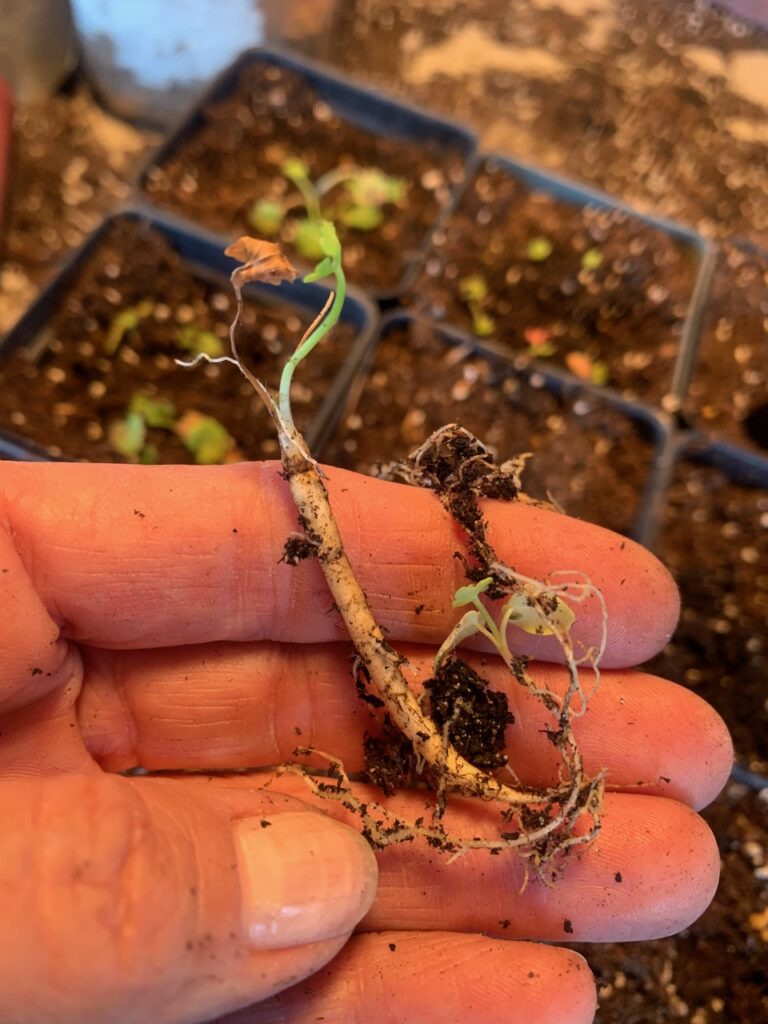
Mature Winecup plants have long carrot-like taproots and are difficult to transplant. It’s best to sow seeds directly in the desired location. If you must transplant, do so when plants are very young and disturb the roots as little as possible
Collecting Seeds
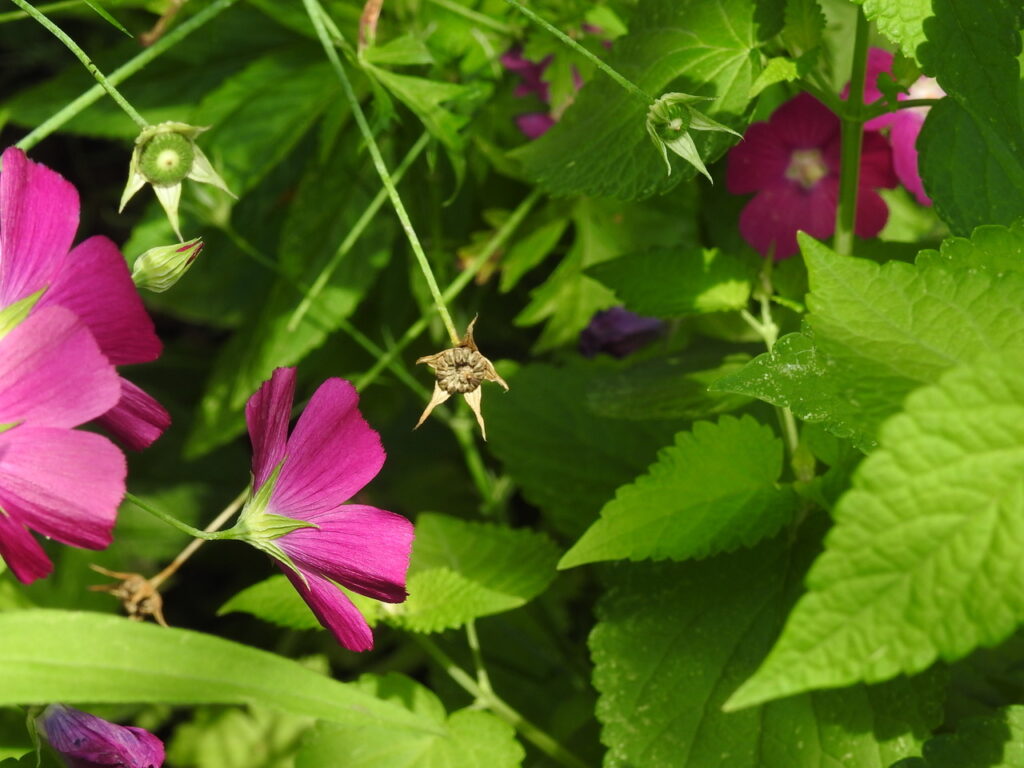
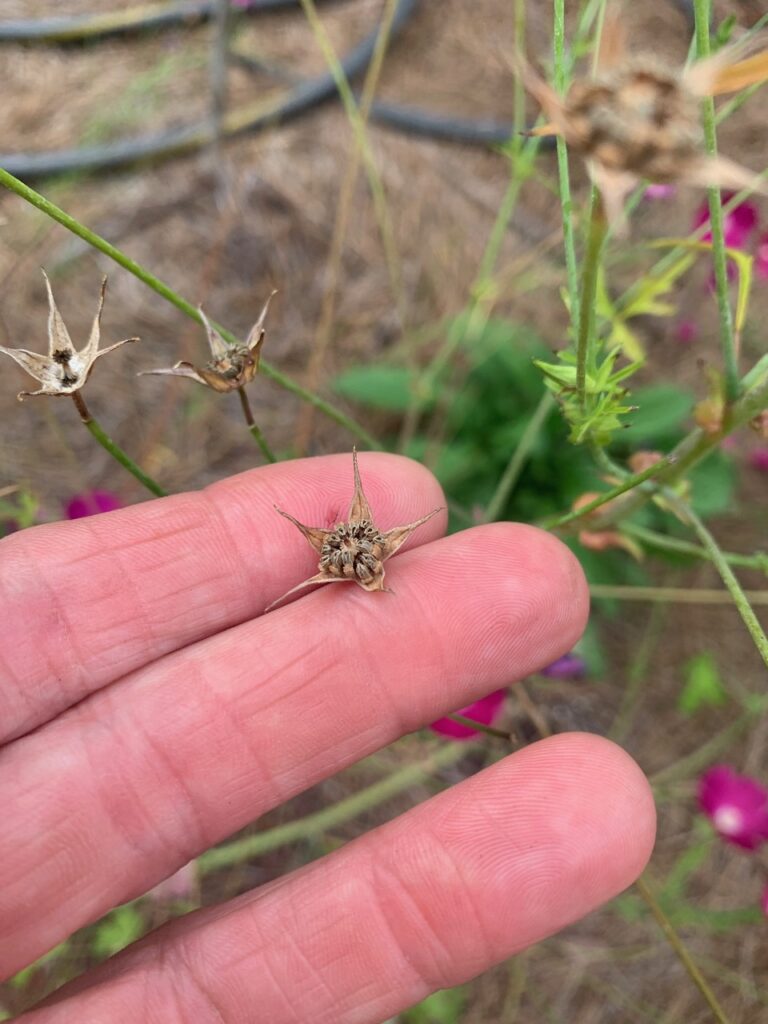
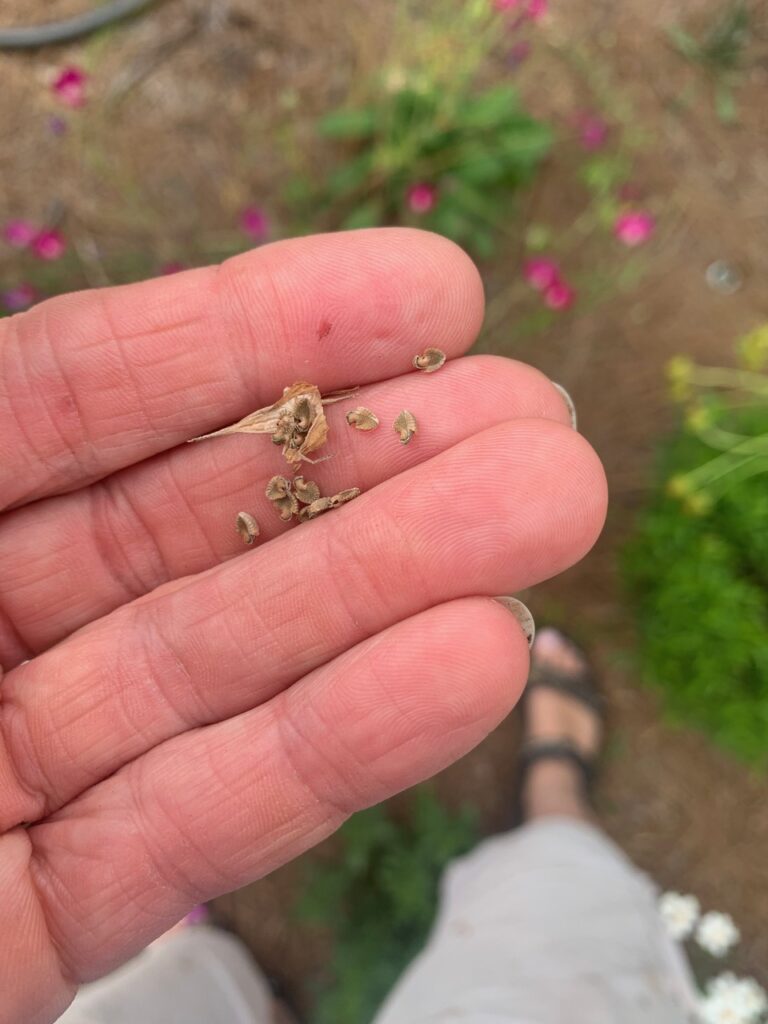
Collecting Winecup seeds can be a rewarding way to propagate these beautiful native plants. Seeds form after the flowers fade, developing into small crescent-shaped segments.
For detailed guidance on when and how to collect Winecup seeds, visit our Seed Collection Guide.
Conclusion
Winecups represent the perfect combination of beauty and ecological function. By incorporating these resilient native plants into your landscape, you’ll enjoy months of gorgeous blooms while supporting local pollinators and wildlife. Their drought tolerance and adaptability to poor soils make them practical choices for sustainable gardens in various climates.