Lanceleaf Coreopsis: Golden Native Blooms with Pollinator Power

Coreopsis (Coreopsis species), commonly known as tickseed, brings a cheerful splash of golden sunshine to any native garden landscape. These hardy perennials offer an exceptional combination of long-lasting blooms and carefree maintenance that appeals to both beginning and experienced gardeners. Drought-tolerant and deer-resistant, coreopsis attracts a variety of pollinators with its bright daisy-like flowers while thriving in challenging conditions. Whether planted in meadow gardens, mixed borders, or container displays, these versatile native plants deliver reliable color from early summer through fall—making them an indispensable addition to sustainable, low-maintenance landscapes.

What is Lanceleaf Coreopsis?

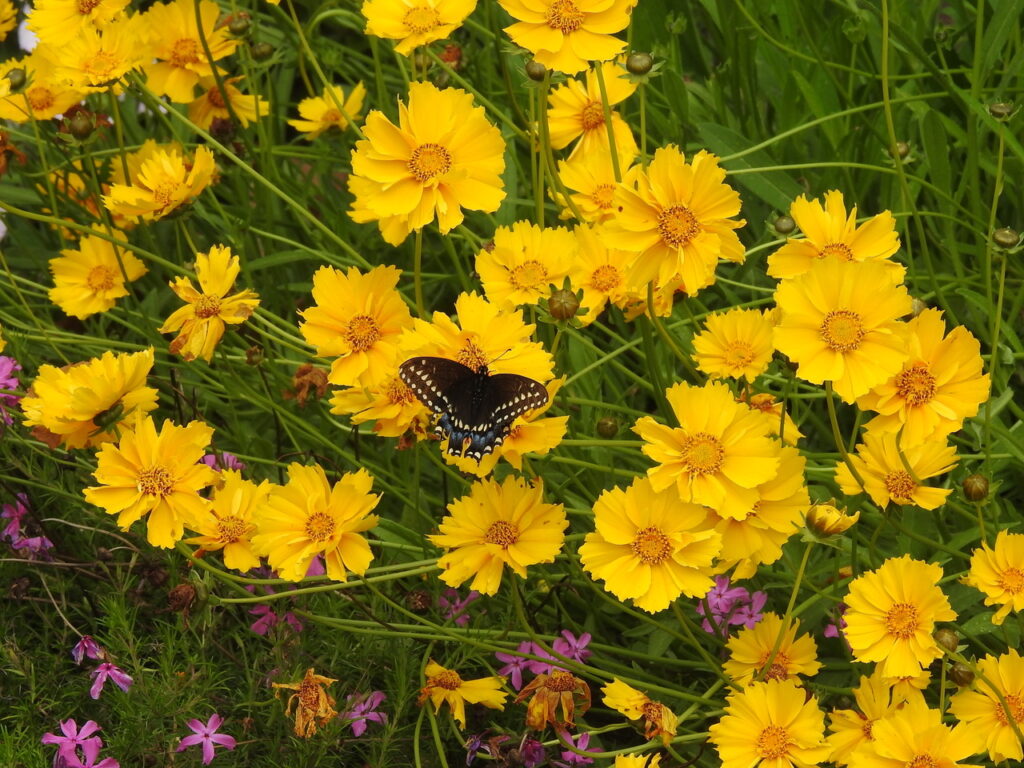
Coreopsis lanceolata, commonly known as Lanceleaf Coreopsis or Lanceleaf Tickseed, is a cheerful perennial wildflower native to the eastern and central United States. It belongs to the Asteraceae (Sunflower) family and features bright golden-yellow daisy-like flowers with notched petals and dark brown to purple centers. Each flower is held on a slender stem above a basal rosette of narrow, lance-shaped leaves (hence the name “lanceolata”).

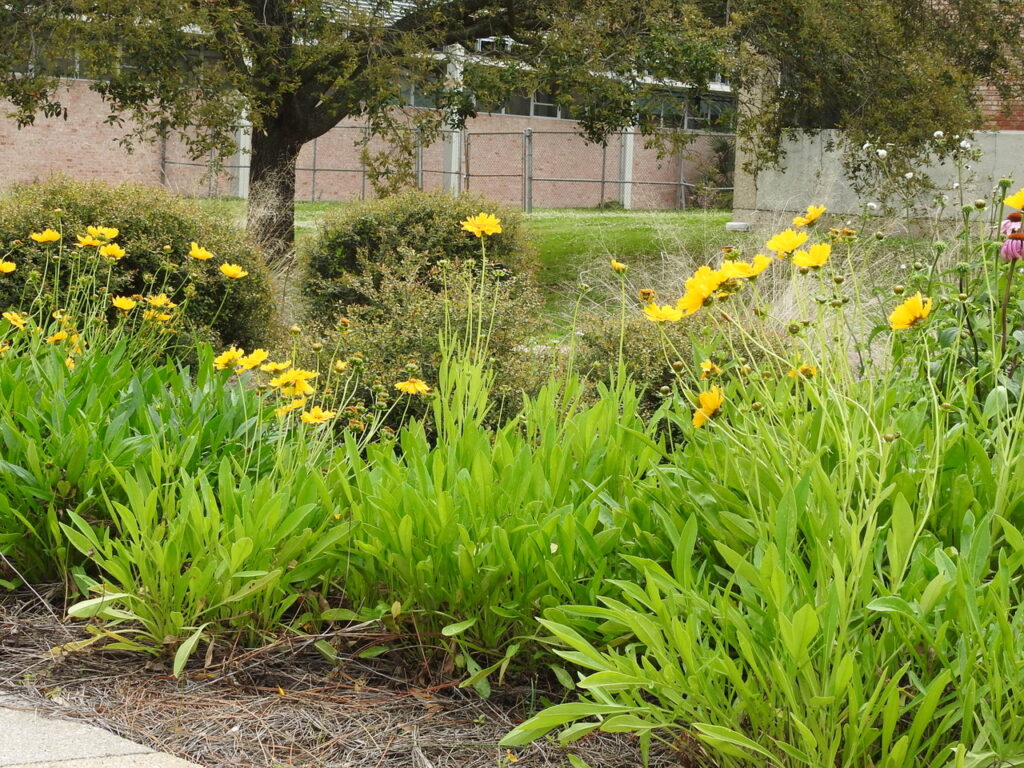
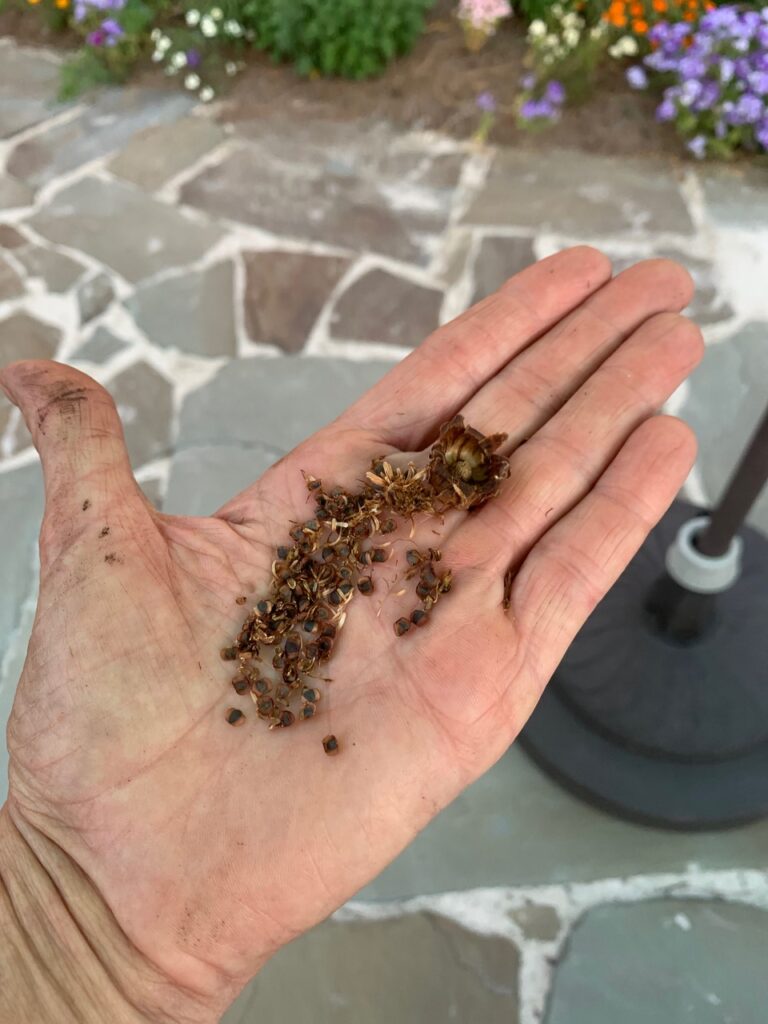
The plant typically grows 12-20 inches tall with a spread of 12-18 inches. It forms clumps that gradually increase in size over time and blooms profusely from May through July, with possible reblooming. C. lanceolata often reseeds here and there in a garden and produces many seeds that can be easily collected and shared. Coreopsis lanceolata is known for its drought tolerance, low maintenance requirements, and wildlife benefits.


Lanceleaf Coreopsis provides significant ecological value in both garden and natural settings:

Pollinator Support
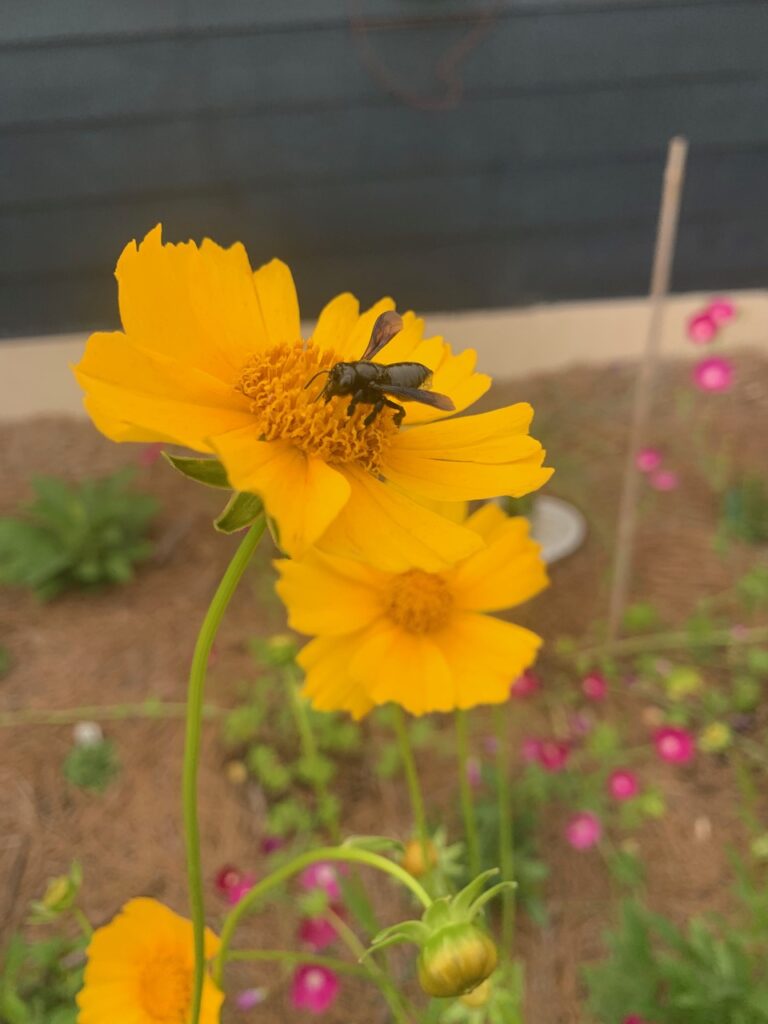
The bright yellow flowers attract numerous pollinators, including bees, butterflies, and other beneficial insects

Wildlife Value
Serves as a nectar source for adult butterflies and bees

Larval Host
Functions as a host plant for some Lepidoptera species

Bird Benefits
Seed heads provide food for songbirds.

Biodiversity
Contributes to overall ecosystem health and plant diversity in natural areas

Soil Stability
Fibrous root system helps prevent erosion, especially on slopes or in meadow settings

Adaptation
Well-adapted to local conditions in its native range, requiring fewer resources than non-native ornamentals
Lanceleaf Coreopsis thrives under the following conditions:

Sun Exposure
Full sun (6+ hours of direct sunlight daily); can tolerate light shade, but with reduced flowering

Soil Type
Adaptable to most soil types, but prefers well-drained soil.

Moisture
Low to moderate; drought-tolerant once established.

Hardiness Zones
USDA Zones 4-9.

Temperature
Heat tolerant; survives cold winters with proper drainage.

Competition
Performs best with minimal competition from aggressive plants.

For successful establishment of Lanceleaf Coreopsis:

When to Plant
Can be planted year-round, though summer planting is always stressful 

Spacing
Place plants 12-18 inches apart

Depth
Plant at the same depth as the container soil level

Site Selection
Choose a location with full sun and good drainage

Companion Plants
Pairs well with other native wildflowers like Black-eyed Susan (Rudbeckia), Blanketflower (Gaillardia), and Purple Coneflower (Echinacea)

Garden Uses
Suitable for wildflower gardens, meadow plantings, border gardens, butterfly gardens, cottage gardens, cut flower gardens, highway plantings, rock gardens, and erosion control on slopes

Container Growing
Can be grown in containers with adequate drainage

Lanceleaf Coreopsis is generally low-maintenance:

Watering
Water regularly until established; afterward, it needs supplemental water only during extended droughts

Fertilization
Minimal fertilizer needs; excessive fertilizer can reduce flowering and cause leggy growth

Pruning
Cut back by one-third in midsummer if plants become leggy; cut back to basal growth in late fall or early spring

Division
Divide every 2-3 years to maintain vigor and prevent center die-out

Winter Care
Leave some stems standing for winter interest and wildlife habitat; clean up in early spring

Pest Management
Generally pest-resistant; occasionally susceptible to powdery mildew in humid conditions

Lanceleaf Coreopsis can be propagated through several methods:

Seed
Easily grown from seed; can be direct-sown in fall, winter, or spring

Division
Divide established clumps in early spring or fall

Cuttings
Stem cuttings can be taken in early summer

Self-seeding
Will self-seed readily in the garden; seedlings can be transplanted or thinned

To collect Lanceleaf Coreopsis seeds:

Timing
Allow flowers to fully mature and dry on the plant (usually 4-6 weeks after flowering)

Collection Method
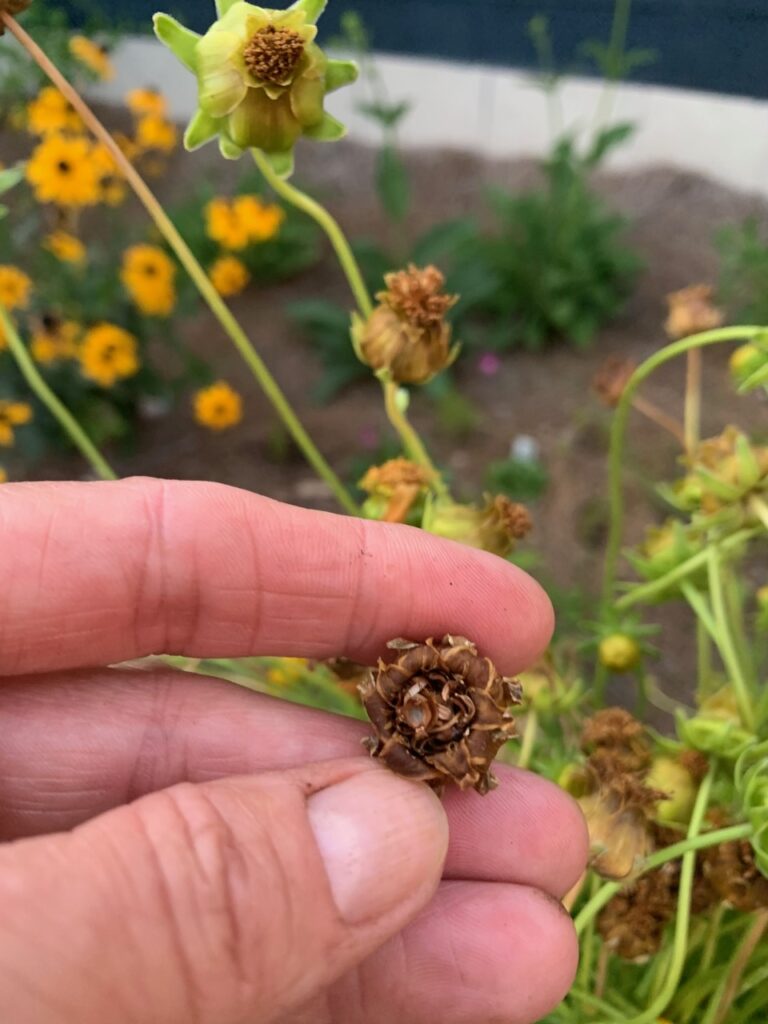
Cut or pull off seed heads when they turn brown and feel dry to the touch

Processing
Place seed heads in a paper bag in a warm, dry location for 1-2 weeks to complete drying

Cleaning
Seeds will spill and/or can be teased out of the bowl-like seed head.  

Storage
Store clean, dry seeds in a cool, dry place in paper envelopes or airtight containers

Viability
Seeds remain viable for 2-3 years when stored properly

Germination Requirements
Most seeds will germinate without special treatment; cold stratification can improve germination rates
Scroll to Top